3 Nov 2026
September 2026 Data Shows Steady Sportsbook Handles Alongside Prediction Market Expansion

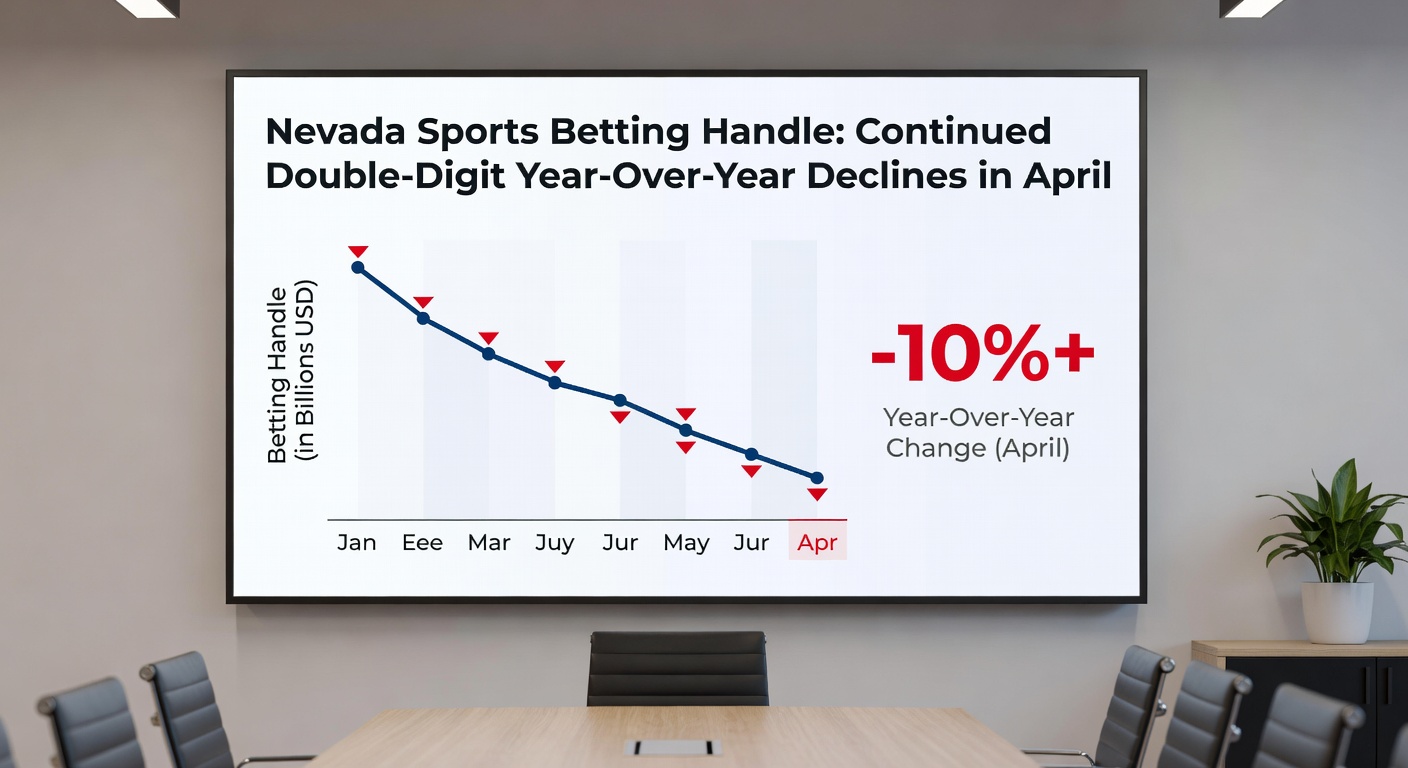
Regulated sportsbooks across 15 major U.S. states recorded approximately 11.11 billion dollars in handle during September 2026, a figure that stayed essentially flat year-over-year with a decline of about 0.3 percent even as NFL and college football seasons resumed full schedules. Observers note that this stability occurred amid typical seasonal patterns where football drives significant activity yet the overall handle did not shift markedly from the prior period. Data from the period reveals that traditional platforms maintained consistent performance without substantial growth or contraction while other segments of the betting ecosystem advanced rapidly.
Context of Regulated Markets in 15 States
Those 15 states represent a core group of regulated jurisdictions where licensed operators track handle as the total amount wagered before payouts, and the September 2026 numbers reflect operations within this framework. Experts have observed that football's return usually correlates with higher engagement yet the reported figures indicate no major deviation from the baseline established twelve months earlier. The flat result comes after multiple months of monitoring across these markets where state regulations require detailed reporting on volume and revenue metrics.
Comparison to Prior Periods
Year-over-year stability at a 0.3 percent dip stands out because September often serves as a benchmark month when college and professional football schedules align, and analysts tracking these states note that similar periods in earlier years sometimes produced more pronounced swings. The current data shows operators handling comparable sums to September 2025 despite expanded user bases in some locations and technological updates at several platforms. Figures reveal that the combined activity across the group of states totaled the stated 11.11 billion dollars without crossing into notable expansion territory.
What's interesting is how this flat handle contrasts with activity elsewhere in the betting space, and the divergence points to shifting user preferences among those who engage with both traditional sportsbooks and alternative platforms. Researchers tracking the sector have documented that prediction markets operate under different structures where participants trade contracts on event outcomes rather than placing direct wagers through bookmakers. This distinction allows for volume measurements based on notional amounts traded instead of handle alone.
Prediction Market Volume Reaches New Levels
Kalshi generated 60.28 billion dollars in notional volume during the same September 2026 window, marking a 56.4 percent increase from its August total, while four major prediction market platforms together reached 75.5 billion dollars in trading activity. These numbers come from platforms that facilitate contracts tied to real-world events including sports outcomes, and the growth rate indicates accelerated participation compared with the preceding month. Data indicates the surge occurred alongside the football season yet extended beyond sports into other event categories that prediction markets cover.
Four platforms collectively driving 75.5 billion dollars in trading volume highlights how these venues aggregate activity across multiple contract types, and observers note that the notional figure captures the full value of positions opened and closed rather than a single-sided handle measurement. The 56.4 percent month-over-month jump at Kalshi alone demonstrates concentrated expansion at one established operator within the group. Those who follow these markets point out that such increases reflect broader adoption patterns as more users explore contract-based trading for both sports and non-sports events.
Direct Competition Dynamics
The reported figures illustrate intensifying competition between traditional sportsbooks and prediction market platforms during the 2026 betting season, and this dynamic plays out as users allocate activity across different formats. Sportsbooks in the 15 states maintained their 11.11 billion dollar handle level while prediction markets expanded their trading totals significantly, creating a landscape where both segments operate in parallel yet measure success through distinct metrics. Evidence suggests that some participants engage with both types of platforms depending on the event or contract available, which contributes to the observed divergence in volume trends.
November 2026 brings continued football schedules and additional event calendars that could further test these patterns, yet the September baseline already shows how prediction markets captured substantial growth independent of the steady sportsbook results. The source data compiled from regulatory filings and platform reports underscores that the competition centers on user attention and capital allocation rather than direct overlap in product structure. Kalshi's 60.28 billion dollar notional volume and the combined 75.5 billion dollar total across four platforms provide concrete benchmarks for evaluating this expansion phase.
Broader Implications for Market Participants
Operators and regulators in the covered states continue to monitor how these segments evolve, and the September 2026 numbers supply a reference point for assessing future months. Traditional sportsbooks report handle that remained within a narrow band around 11.11 billion dollars, whereas prediction markets demonstrated clear acceleration through higher notional trading. This contrast appears in official summaries that track both categories without merging their methodologies.
People who analyze betting ecosystems often examine such periods to understand allocation shifts, and the current data set offers a clear example of one segment holding steady while another advances. The 0.3 percent year-over-year change in sportsbook handle occurred even with football returning, which adds context to the prediction market gains recorded in the same timeframe. Figures from the four major platforms show that their combined 75.5 billion dollars in trading reflected activity across diverse contracts rather than sports alone.
Conclusion
September 2026 therefore stands as a month where regulated sportsbooks across 15 states sustained an 11.11 billion dollar handle level with minimal change, while prediction markets recorded sharp increases including Kalshi's 60.28 billion dollars in notional volume and the four-platform total of 75.5 billion dollars. These outcomes, drawn from the referenced reporting, underscore ongoing competition as each format processes activity according to its own operational model. The data continues to inform discussions around market structure as the 2026 season progresses into later months.